


Valium (Diazepam)
Price range: £350.00 through £650.00
Description
Valium (Diazepam)
Generic Name: Diazepam

Diazepam is used to treat anxiety, alcohol withdrawal, and seizures. It is also used to relieve muscle spasms and to provide sedation before medical procedures. This medication works by calming the brain and nerves. Diazepam belongs to a class of drugs known as benzodiazepines.
Is valium an opioid
No, Valium (diazepam) is not an opioid. Valium belongs to a class of medications called benzodiazepines. Benzodiazepines are central nervous system (CNS) depressants that act on the brain and the nervous system to produce calming effects. They are commonly prescribed to treat anxiety disorders, muscle spasms, seizures, and as a sedative before certain medical procedures.
Opioids, on the other hand, are a class of medications that primarily act on the opioid receptors in the brain to relieve pain. They are prescribed for moderate to severe pain management but can also have a high risk of dependence and addiction. Examples of opioids include medications like oxycodone, hydrocodone, and morphine.
Though Valium and opioids can both have sedative effects, they have different mechanisms of action and are used to treat different conditions. It is important to use medications only as prescribed by a healthcare professional and to seek their guidance for proper usage, potential risks, and interactions with other medications.

How to use Valium
Valium, also known as diazepam, is a prescription medication used to treat various conditions, including anxiety disorders, muscle spasms, seizures, and alcohol withdrawal. To ensure safe and effective use, it’s important to understand how to use Valium properly. is valium an opioid
Here are some key points to keep in mind:
1. Follow Prescribed Dosage:
Always adhere to the dosage instructions provided by your healthcare professional. The dosage will depend on your specific condition, severity of symptoms, and individual response. Do not adjust the dosage without consulting your healthcare provider.
2. Take as Directed:
Take Valium exactly as directed by your healthcare professional. It is typically taken orally with or without food. If you have any questions or concerns about the administration, consult your pharmacist or healthcare provider.
3. Avoid Alcohol and Other Depressants:
Alcohol and certain medications can interact with Valium, increasing the risk of excessive sedation and other adverse effects. It’s important to avoid alcohol and inform your healthcare provider about any other medications you are taking to ensure compatibility.
4. Do Not Exceed Recommended Duration:
Valium is typically prescribed for short-term use due to the potential for dependence and withdrawal symptoms. Avoid using Valium for longer than prescribed and consult your healthcare provider if you require treatment beyond the recommended duration.
5. Gradual Discontinuation:
If you need to stop taking Valium, do not abruptly discontinue the medication. It should be gradually tapered off under the guidance of your healthcare provider to minimize the risk of withdrawal symptoms.
6. Be Aware of Side Effects:
Valium may cause side effects such as drowsiness, dizziness, impaired coordination, and memory problems. If these side effects persist or worsen, consult your healthcare provider.
7. Inform Your Healthcare Provider:
Keep your healthcare provider informed about your progress, any changes in symptoms, or any concerns you may have. Regular communication is important to ensure optimal treatment and to address any potential issues.
Conclusion:
Using Valium safely and effectively involves following the prescribed dosage, taking it as directed, avoiding alcohol and other depressants, and being aware of potential side effects. It’s important to maintain open communication with your healthcare provider throughout the treatment process. By adhering to these guidelines, you can maximize the benefits of Valium while minimizing the associated risks.
- Anxiety Disorders: Valium is commonly prescribed for the treatment of anxiety disorders, including generalized anxiety disorder (GAD). It helps to reduce excessive worry, tension, and anxiety symptoms.
- Muscle Relaxant: Valium has muscle relaxant properties and is often used to relieve muscle spasms and stiffness. It can be helpful in conditions such as muscle strains, sprains, or certain neurological disorders.
- Seizure Disorders: Valium can be prescribed to manage certain types of seizures, including absence seizures and prolonged or recurrent seizures. It is also used as a rescue medication to stop prolonged or recurring seizures (status epilepticus).
- Alcohol Withdrawal: Valium is sometimes used during the withdrawal phase of alcohol dependence to help manage symptoms such as anxiety, agitation, and tremors.
- Sedative and Anxiolytic Effects: Like other benzodiazepines, Valium works by enhancing the activity of GABA, a neurotransmitter that has a calming effect on the brain. This results in sedative, anxiolytic (anti-anxiety), and anticonvulsant effects.
- Controlled Substance: Valium is classified as a Schedule IV controlled substance due to its potential for abuse and dependence. It should be used only under the guidance of a healthcare professional and according to the prescribed dosage.
- Dosage and Administration: The dosage of Valium varies depending on the individual’s condition, severity of symptoms, and response to treatment. It is important to follow the prescribed dosage and administration instructions carefully.
- Dependency and Withdrawal: Prolonged use or misuse of Valium can lead to physical and psychological dependence. Abruptly stopping the medication can result in withdrawal symptoms. Tapering off the medication under medical supervision is important if discontinuation is necessary.
- Precautions and Interactions: Valium may interact with other medications and substances, including alcohol, opioids, and certain antidepressants. Inform your healthcare professional about all medications you are taking and any medical conditions you have.
is valium an opioid
Valium Side Effects
Valium can cause side effects, including
- drowsiness
- dizziness
- fatigue
- impaired coordination
- memory problems
- confusion, and changes in mood.
It can also cause more serious side effects, especially when misused or taken in high doses.

is valium a narcotic
Valium (diazepam) is not classified as a narcotic. Valium belongs to the class of medications known as benzodiazepines, which are central nervous system depressants. While benzodiazepines can have sedative effects and are controlled substances due to their potential for abuse and dependence, they are not classified as narcotics.
“Narcotic” is a term that is often used to refer to opioids, which are a specific class of medications derived from or chemically similar to opium. Opioids primarily act on the opioid receptors in the brain and are commonly used for pain relief. Examples of opioids include medications like morphine, oxycodone, and hydrocodone.
It’s important to note that both benzodiazepines and opioids are controlled substances due to their potential for misuse, dependence, and addiction. It is crucial to use these medications only as prescribed by a healthcare professional and to follow their guidance for proper usage, potential risks, and interactions with other medications. is valium an opioid
how long does valium take to kick in
The onset of action of Valium (diazepam) can vary depending on several factors, including the individual’s metabolism, dosage, and method of administration. Generally, when taken orally, Valium is absorbed relatively quickly from the gastrointestinal tract.
The effects of Valium typically begin within 30 minutes to an hour after ingestion. However, it’s important to note that the full effects may take longer to develop, especially for individuals who have taken the medication with a meal. The peak effects of Valium usually occur within 1 to 1.5 hours after ingestion.
It’s worth mentioning that the onset and duration of Valium’s effects can vary among individuals, and factors such as tolerance, body weight, and overall health can influence the medication’s onset and duration.
If you have specific concerns or questions about the effects or timing of Valium, it is advisable to consult with a healthcare professional or pharmacist who can provide personalized guidance based on your specific situation.

is valium an opioid
is valium an opioid
is valium an opioid
Additional information
| Tablets | 100 Tabs, 150 Tabs, 180 Tabs |
|---|
Related products
-
- Opiods
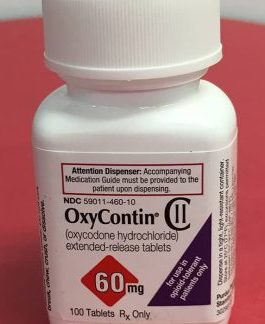
Oxycontin
- Price range: £205.00 through £550.00
- Select options This product has multiple variants. The options may be chosen on the product page
-
- Anxiety Pills
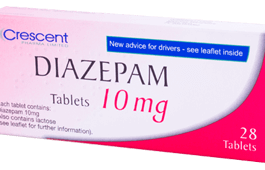
Diazepam 10mg
- Price range: £142.00 through £197.28
- Select options This product has multiple variants. The options may be chosen on the product page
-
- Opiods
Ecstasy Pills
- Price range: £300.00 through £550.00
- Select options This product has multiple variants. The options may be chosen on the product page

Reviews
There are no reviews yet.