
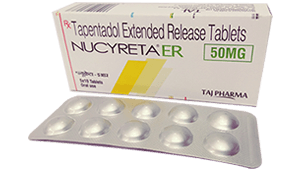
Tapentadol Extended Release Tablets
Price range: £137.00 through £197.28
Description
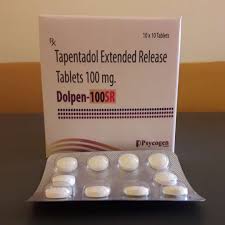
Tapentadol Extended Release Tablets
Buy Tapentadol 100mg Online
Generic name: tapentadol [ ta-PEN-ta-dol ]
Brand names: Nucynta, Nucynta ER
Dosage forms: oral tablet (100 mg; 50 mg; 75 mg), oral tablet, extended release (100 mg; 150 mg; 200 mg; 250 mg; 50 mg)
Drug class: Opioids (narcotic analgesics)
Tapentadol extended-release tablets are a medication used for the management of moderate to severe chronic pain.
Mechanism of Action: This is a centrally acting opioid analgesic. It works by binding to opioid receptors in the brain and spinal cord, which helps to reduce the perception of pain. Additionally, tapentadol also acts as a norepinephrine reuptake inhibitor, which contributes to its analgesic effects.
Indications: Tapentadol extended-release tablets are primarily prescribed for the management of chronic pain conditions that require around-the-clock opioid analgesia. It may be used for conditions such as neuropathic pain associated with diabetic peripheral neuropathy or chronic musculoskeletal pain.
Tapentadol is an opioid pain medication. An opioid is sometimes called a narcotic.
Tapentadol is a prescription medicine that is used to treat moderate to severe pain.
Tapentadol extended-release form (Nucynta ER) is for around-the-clock treatment of pain that is not controlled by other medicines. The extended-release form of tapentadol is not for use on an as-needed basis for pain.
Warnings
Do not use tapentadol if you have used a MAO inhibitor in the past 14 days. A dangerous drug interaction could occur. MAO inhibitors include isocarboxazid, linezolid, methylene blue injection, phenelzine, rasagiline, selegiline, or tranylcypromine.
You should not use this medicine if you have severe breathing problems, or a bowel obstruction called paralytic ileus.
This drug can slow or stop your breathing, especially when you start using this medicine or whenever your dose is changed. Never take this medicine in larger amounts, or for longer than prescribed. Do not crush, break, or open an extended-release tablet. Swallow it whole to avoid exposure to a potentially fatal dose.
Tapentadol may be habit-forming, even at regular doses. Take this medicine exactly as prescribed by your doctor. Never share the medicine with another person. MISUSE OF NARCOTIC PAIN MEDICATION CAN CAUSE ADDICTION, OVERDOSE, OR DEATH, especially in a child or other person using the medicine without a prescription. Keep the medication in a place where others cannot get to it.
Tell your doctor if you are pregnant. It may cause life-threatening withdrawal symptoms in a newborn if the mother has taken this medicine during pregnancy.
Fatal side effects can occur if you use opioid medicine with alcohol, or with other drugs that cause drowsiness or slow your breathing.
Tapentadol side Effects
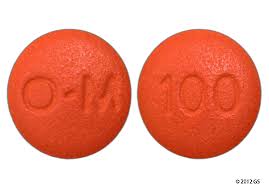
Tapentadol, like any medication, can cause side effects. Common side effects of tapentadol may include:
1. Nausea: Feeling sick to your stomach or the urge to vomit.
2. Constipation: Difficulty or infrequent bowel movements.
3. Dizziness: Feeling lightheaded or unsteady.
4. Drowsiness: Feeling excessively sleepy or tired.
5. Headache: Aching or pain in the head.
6. Dry mouth: A lack of moisture in the mouth.
7. Itching: An unpleasant sensation on the skin that triggers the desire to scratch.
8. Sweating: Increased perspiration.
9. Decreased appetite: A reduced desire to eat.
It’s important to note that not everyone will experience these side effects, and some individuals may experience different or additional side effects. Additionally, some side effects may be more common when you first start taking tapentadol and may subside with continued use.
Serious side effects are rare but can occur. If you experience any of the following, it is important to seek medical attention immediately:
1. Respiratory depression: Slow or shallow breathing.
2. Allergic reactions: Symptoms may include hives, difficulty breathing, or swelling of the face, lips, tongue, or throat.
3. Seizures: Uncontrolled or abnormal electrical activity in the brain.
4. Serotonin syndrome: Symptoms may include agitation, hallucinations, rapid heartbeat, fever, muscle stiffness, coordination problems, or shivering.
It is important to discuss any side effects or concerns with your healthcare provider. They can provide guidance and determine the best course of action based on your individual situation.
Before taking this medicine
You should not use tapentadol if you are allergic to it, or if you have:
- severe asthma or breathing problems;
- a stomach or bowel obstruction (including paralytic ileus); or
- if you have taken an MAO inhibitor in the past 14 days, such as isocarboxazid, linezolid, methylene blue injection, phenelzine, or tranylcypromine.
To make sure tapentadol is safe for you, tell your doctor if you have ever had:
- breathing problems, sleep apnea (breathing that stops during sleep);
- a head injury, brain tumor, or seizures;
- alcoholism or drug addiction, mental illness;
- urination problems,
- liver or kidney disease; or
- problems with your gallbladder, pancreas, thyroid, or adrenal gland.
Dosing information
Usual Adult Dose for Pain:
Individualize therapy taking into consideration severity of pain, response to therapy, prior analgesic treatment experience, and risk factors for addiction, abuse, and misuse:
Immediate-Release:
Initial dose: 50 to 100 mg orally every 4 to 6 hours as needed for pain
-Day 1: A second dose may be administered as soon as 1 hour after the first dose if needed
-Subsequent dosing: 50, 75, or 100 mg orally every 4 to 6 hours; adjust dosing to maintain adequate analgesia with acceptable tolerability
Maximum dose: 700 mg on day 1; 600 mg/day on subsequent days
Comments:
-Use the lowest effective dosage for the shortest duration consistent with individual patient treatment goals.
-Monitor closely for respiratory depression, especially within the first 24 to 72 hours of initiating therapy and with each dose increase.
-Due to risks of addiction, abuse, and misuse, even at recommended doses, reserve use for patients for whom alternative treatment options (e.g., non-opioid analgesics or opioid combination products) have not been tolerated, or are not expected to be tolerated, or have not provided adequate analgesia, or are not expected to provide adequate analgesia.
Usual Adult Dose for Chronic Pain:
Individualize therapy taking into consideration severity of pain, response to therapy, prior analgesic treatment experience, and risk factors for addiction, abuse, and misuse:
-Discontinue all other tapentadol and tramadol products prior to starting tapentadol extended-release tablets
EXTENDED RELEASE TABLETS:
Initial dose: 50 mg orally twice a day
-Individually titrate to a dose that provides adequate analgesia and minimizes adverse reactions; dose increases should not exceed 50 mg twice a day every 3 days
Maintenance dose: 100 mg to 250 mg orally twice a day
Maximum dose: 500 mg/day
CONVERSION from IMMEDIATE-RELEASE to EXTENDED-RELEASE:
-Provide same total daily dose of tapentadol divided into 2 equal doses and administered orally twice a day approximately 12 hours apart
CONVERSION from Other Opioids:
-As there are no established conversion ratios from other opioids, initiate at 50 mg orally every 12 hours
-Close observation and frequent titration are warranted until pain is controlled; monitor for signs and symptom of opioid withdrawal
-Provide rescue medication with an appropriate dose of an immediate-release analgesic as appropriate
Comments:
-For patients with breakthrough pain a rescue medication with an appropriate dose of an immediate-release analgesic may be needed.
-If the level of pain increases after dose stabilization, attempt to identify the source of increased pain before increasing dose.
-Because of the risks of addiction, abuse, and misuse even at recommended doses, use should be limited to patients for whom alternative treatment options (e.g. non-opioid analgesics or immediate-release opioids) are ineffective, not tolerated, or would be otherwise inadequate to provide sufficient pain management.
-This medicine is not for use as an as-needed analgesic.
Precautions:
Tapentadol should be used with caution in individuals with respiratory conditions, such as asthma or chronic obstructive pulmonary disease (COPD). It may also interact with other medications, including sedatives, tranquilizers, or other opioids. It is important to inform your healthcare provider about all medications you are taking to avoid potential drug interactions.
Dependence and Addiction:
Tapentadol is an opioid medication and has the potential for dependence and addiction. Prolonged use or misuse of the drug can lead to physical and psychological dependence. It is important to use tapentadol only as prescribed and under the supervision of a healthcare professional.
Withdrawal:
If you have been taking tapentadol extended-release tablets for a prolonged period, it is important to gradually reduce the dosage under the guidance of your healthcare provider when discontinuing the medication. Abruptly stopping tapentadol can result in withdrawal symptoms.
Nucynta vs Oxycodone
Nucynta (generic name: tapentadol) and oxycodone are both opioid analgesics used for the management of moderate to severe pain. While they are both effective pain relievers, there are some differences between the two. Here’s a comparison of Nucynta and oxycodone:
1. Mechanism of Action: Nucynta (tapentadol) is a centrally acting opioid analgesic that works by binding to opioid receptors and inhibiting the reuptake of norepinephrine. Oxycodone, on the other hand, primarily acts by binding to opioid receptors in the central nervous system, thereby reducing the perception of pain.
2. Potency: Nucynta is considered to be a relatively potent opioid analgesic. It has both mu-opioid receptor agonist activity and norepinephrine reuptake inhibition. Oxycodone is also a potent opioid analgesic but does not have the norepinephrine reuptake inhibition activity of Nucynta.
3. Pain Relief: Both Nucynta and oxycodone are effective in relieving moderate to severe pain. However, individual responses to pain medications can vary, and the effectiveness of each drug may differ from person to person.
4. Side Effects: The common side effects of Nucynta and oxycodone are similar since they belong to the same class of medications. These may include nausea, constipation, dizziness, drowsiness, headache, dry mouth, and itching. Both medications can also cause more serious side effects, such as respiratory depression, sedation, and the potential for dependence and addiction.
5. Formulations: Nucynta is available in immediate-release and extended-release formulations. The extended-release formulation provides around-the-clock pain relief for a longer duration. Oxycodone is also available in immediate-release and extended-release formulations.
6. Prescribing Considerations: Nucynta has a lower potential for drug interactions compared to oxycodone. However, both medications can interact with other drugs, including other opioids, sedatives, and certain antidepressants. It is essential to inform your healthcare provider about all medications you are taking to avoid potential interactions.
How Does Tapentadol Work?
Like other opioid medications, Tapentadol works by changing the way the central nervous system, which is essentially the brain and the spinal cord, is affected by pain. It does this by working directly on the opioid receptors in the central nervous system, by binding to them, which in turn reduces the feeling of pain. When we experience something that might be painful, signals are sent from our peripheral nervous system to our central nervous system, to let us know that the experience is painful. This is something that has been beneficial in our evolution, as it ensures that when we experience physical trauma, the pain lets us know that what we are experiencing is hurting us. However, sometimes pain can be too much to bear, or is present regardless of whether there is any external factor causing us pain or not, such as with neuropathic pain. That is why people buy Tapentadol, which reduces the pain signals from being received by the central nervous system, therefore decreasing the feeling of pain.
How Long Does Tapentadol Last?
Tapentadol effects for the Immediate Release version usually last for between 4 to 6 hours after consumption and start to work after half an hour. The half life of this medication is around 3.93 hours. The half-life is defined as how long it takes after consumption for half of the medication to leave the body. This however is dependent on different factors, which can affect how quickly we process medication. Some of these factors are:
- Dosage – the higher the dose of Tapentadol that you take, the longer it will take to leave the body.
- Other medications – certain medications can delay how long it takes for Tapentadol Tablets to be processed.
- Weight – if you are on the heavier side, it is likely that this medication will take longer to be processed than if you were within a ‘normal’ weight range.
The Extended-Release version of this medication lasts for around 12 hours, so should be taken every 12 hours to maintain a constant level of pain reduction.
Tapentadol stays in different parts of the body for different lengths of time. If urine is tested, this medication will be present for 3 to 4 days after the last dose. For blood, it should be present for no longer than a day, whereas for hair, it can last for up to 90 days.
Additional information
| Tablets | 120 Tabs, 150 Tabs, 180 Tabs |
|---|
Related products
-
- Painkillers
Co-codamol Tablets
- Price range: £145.00 through £225.28
- Select options This product has multiple variants. The options may be chosen on the product page
-
- Painkillers
Carisoprodol Tablets
- Price range: £149.00 through £245.00
- Select options This product has multiple variants. The options may be chosen on the product page
-
- Opiods
Oxycodone Hydrochloride Tablets
- Price range: £350.00 through £650.00
- Select options This product has multiple variants. The options may be chosen on the product page
Reviews
There are no reviews yet.